
Nike has always been a brand of reinvention. From its origins as a small shoe company to its position as the $160 billion global sportswear titan, its success has hinged on its ability to adapt.
But in recent years, that adaptability has been questioned.
The company’s aggressive pivot toward a direct-to-consumer (DTC) strategy, championed under former CEO John Donahoe, led to unexpected challenges. These included alienated wholesale partners, slowed product innovation, and a loss of cultural relevance in the athletic world.
In 2024, Nike reinstated former CEO Elliott Hill to help the company return to its roots while redefining its approach.
This article delves into Nike’s strategic shift under Hill, assessing its transition from a data-driven, digital-first model to a more holistic, athlete-focused strategy.
We will analyze the company’s challenges in sustaining its leadership in the face of increasing competition from brands like On, Hoka, and New Balance, as well as the insights that business leaders can glean from this notable reset.
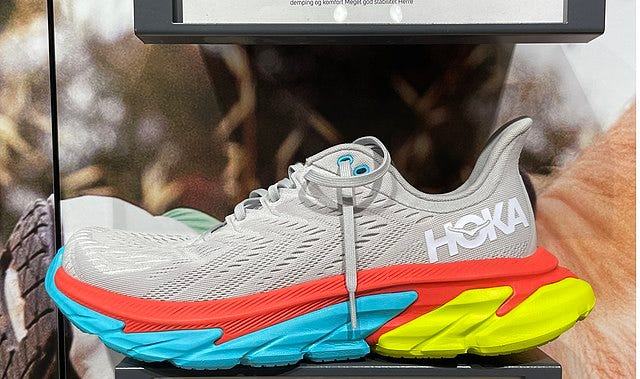
Nike’s Recent Struggles and Market Shifts
Nike’s stock plunged 32% in 2024, erasing over $27 billion in market value.
Revenue for fiscal year 2025 was down 8%, with North American sales taking a significant hit.
The issue? A strategic overcorrection toward DTC sales that neglected long-time retail partners like Foot Locker and Dick’s Sporting Goods.
The goal was to control the customer experience through digital channels, but the move came at a cost—Nike’s share of the sneaker market shrank from 17.1% in 2022 to 16.4% in 2024.
This miscalculation also exposed deeper flaws in the company’s approach:
Over-reliance on Legacy Products: Nike leaned heavily on Air Force 1s and Dunk retros, while competitors surged ahead with performance-driven innovations.
Innovation Stagnation: In 2024, Nike launched only two new running shoes, compared to 11 from Asics and 10 from Adidas.
Retail Relationships in Decline: Wholesale revenue dropped 3% year over year, and key retailers began favoring other brands that prioritized their partnerships.
Elliott Hill's return marks an aspirational and significant shift following Donahoe's departure. The upcoming task is to restore Nike’s supremacy while updating operations and keeping its core customers engaged.
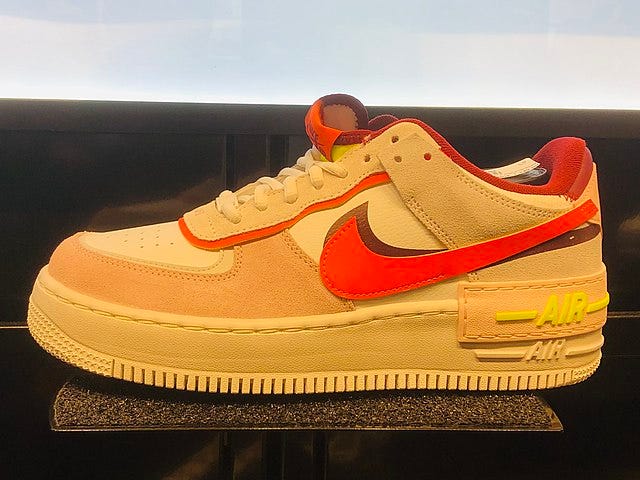
The Pivot: Athlete-First and Wholesale Revival
Hill’s approach is a blend of Nike’s heritage and future-forward thinking.
Rather than discarding DTC entirely, he aims to balance it with wholesale partnerships and performance-driven product innovation.
Here’s how he plans to do it:
1. Bringing the Brand Back to Sport
Hill’s first move as CEO was a listening tour, during which he met with retailers, athletes, and Nike’s internal teams to gauge sentiment.
His message? Nike is getting back to sports.
His strategy focuses on:
Reinvesting in Wholesale: Hill is restoring Nike’s presence in multi-brand retail, rebuilding relationships with Foot Locker, Dick’s, and JD Sports. This ensures that Nike products remain accessible to a broad audience.
Athlete-Centric Product Development: Unlike Donahoe’s broad lifestyle focus, Hill is emphasizing performance wear, particularly in running, basketball, and training. Recent successes, such as the Sabrina 1 basketball shoe (which saw 5x sales growth in 2024), have reinforced this shift.
Localized Storytelling: Regional markets will have greater autonomy in marketing strategies, moving away from Nike’s one-size-fits-all approach.
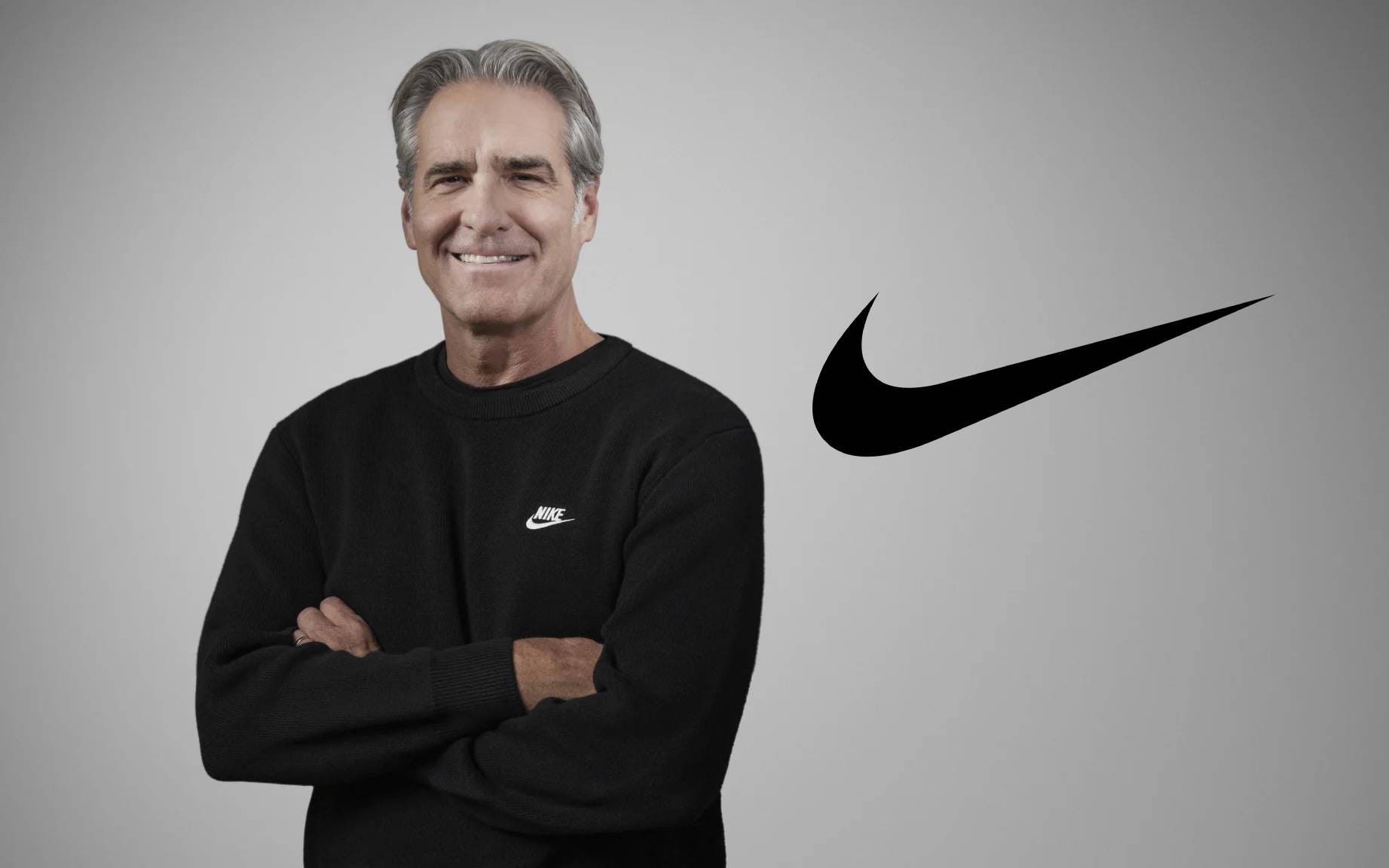
2. AI and Sustainability as Growth Levers
Hill understands that while heritage matters, modernization is essential. He is championing a new wave of innovation, leveraging artificial intelligence (AI) and sustainable design.
AI-Driven Design: Nike has developed its proprietary generative AI model to design athlete-specific footwear using data from thousands of athletes. The upcoming 2025 Ekiden collection will be the first to incorporate AI-powered customization.
Sustainability Commitments: Nike’s "Move to Zero" initiative is accelerating under Hill, targeting 100% renewable energy in manufacturing by 2030. The use of 3D-printed materials in performance footwear aims to cut production waste by 30%.
Hyper-Personalized Shopping Experiences: AI is also being used in the Nike App to drive personalized recommendations, increasing customer retention and order value.
3. Strategic Offense and Defense
Nike’s resurgence strategy includes both aggressive growth initiatives and defensive cost-cutting measures.
Offense Strategies:
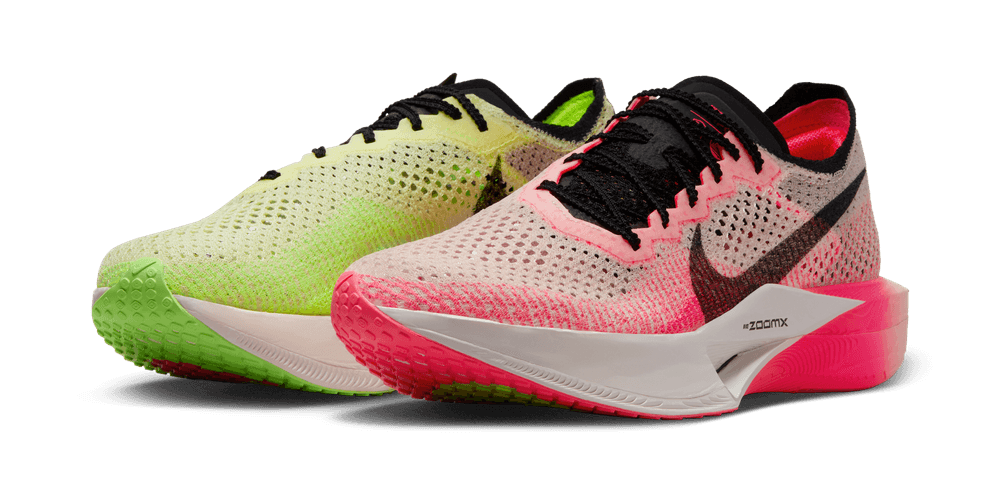
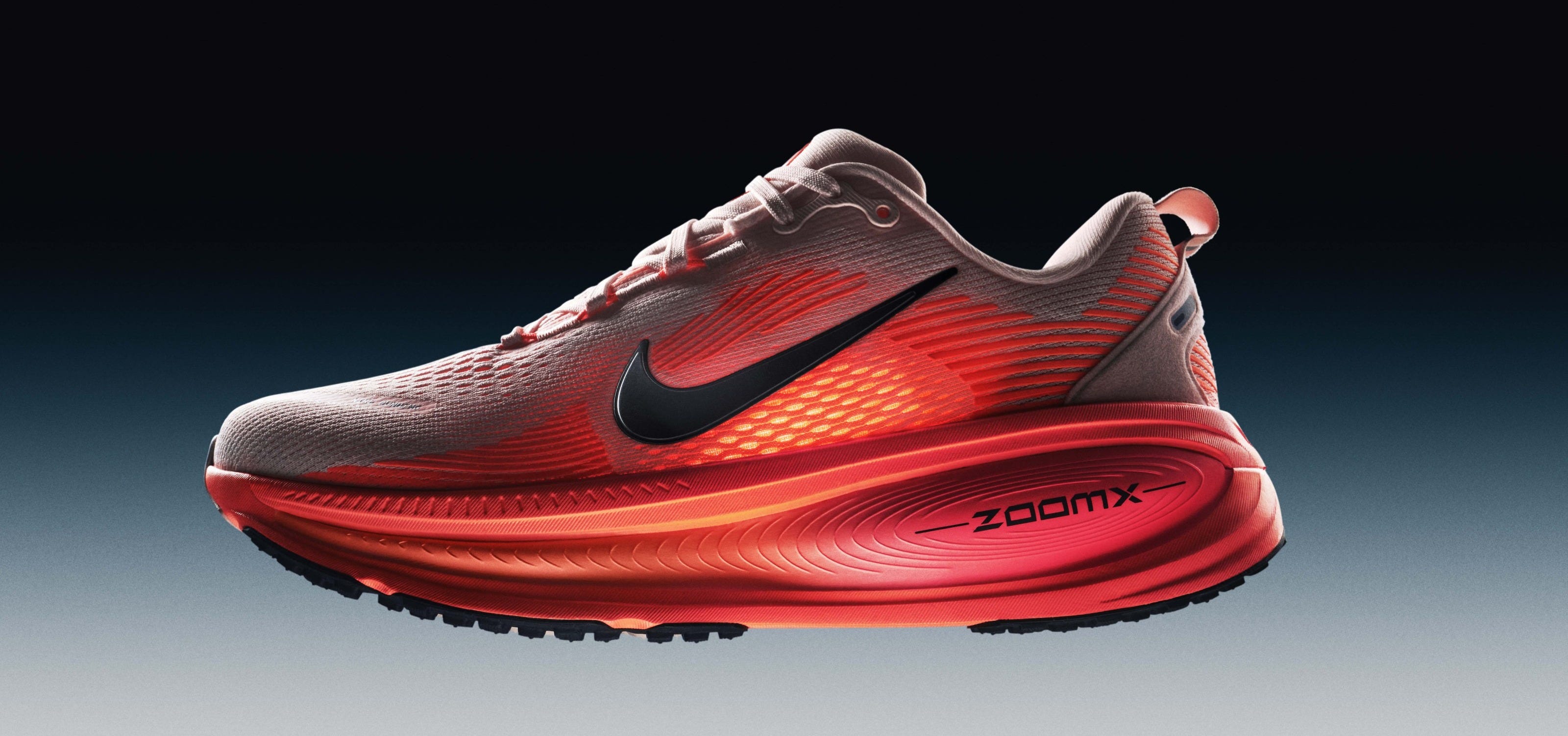
Running Shoe Comeback: Nike plans to launch eight new running models in 2025, including the Pegasus Premium and Vomero 18, targeting competitors like Hoka and Asics.
Women’s Market Expansion: Increased investment in women’s basketball and fitness apparel, capitalizing on star athletes like A’ja Wilson and Caitlin Clark.
AI-Powered Customization: Nike By You, its sneaker customization platform, is integrating AI-driven personalization to create unique, consumer-designed shoes.
Defense Strategies:
Cost Rationalization: Nike is executing a $2 billion cost-cutting initiative, including streamlining operations and reducing inventory bloat.
Inventory Liquidation: Discounting older Air Force 1 and Jordan models at outlet stores while reserving premium releases for core retail channels.
Brand Repair Campaigns: High-profile marketing initiatives, such as the "Let Your Fire Run" campaign, reinforce Nike’s commitment to sport.
Early Wins and Remaining Challenges
The early results of Hill’s leadership are promising:
Stock Rebound: Nike shares climbed ~11% following Hill’s appointment.
Wholesale Recovery: Q2 2025 saw a ~12% rise in wholesale orders in North America.
Performance Footwear Revival: Running shoe sales increased ~7%, reversing a two-year decline.
However, challenges remain:
China’s Market Decline: Sales in Greater China dropped ~10% due to intensified competition from local brands like Anta and Li-Ning.
DTC vs. Wholesale Balance: Reducing digital promotions without losing customer engagement is a delicate balancing act.
Talent Retention: Amid restructuring, Nike must prevent rival brands from poaching top designers.
Conclusion: A Lesson in Adaptability
Nike’s leadership reset under Elliott Hill serves as a powerful case study in strategic adaptation.
While data-driven DTC approaches dominated in the past, the current market demands a more balanced model—one that merges heritage, technology, and agility.
For business leaders, the takeaway is clear: No strategy is infallible.
The key to long-term success lies in recognizing missteps, pivoting swiftly, and staying deeply connected to your core audience. Nike’s next chapter isn’t just about reclaiming lost ground—
it’s about redefining what it means to "Just Do It."
If you liked this content, share it with friends and colleagues.
Your thoughts matter. I'm always eager to engage in meaningful discussions about our industry's evolving landscape.
Connect with me on LinkedIn. I welcome sharing ideas and perspectives.
This newsletter contains AI-generated text and images. Text may contain inaccuracies or incomplete information, and images are artificially created, not depicting real individuals, entities, or events. Any resemblance is coincidental or based on publicly available data. By accessing this newsletter, you acknowledge its AI-generated nature and agree to use the content at your discretion. We disclaim all liability for errors, inaccuracies, or misrepresentations. Content is provided "as is" without warranties.